Getting Your Deposit Back in Korea (When Things Go Wrong)
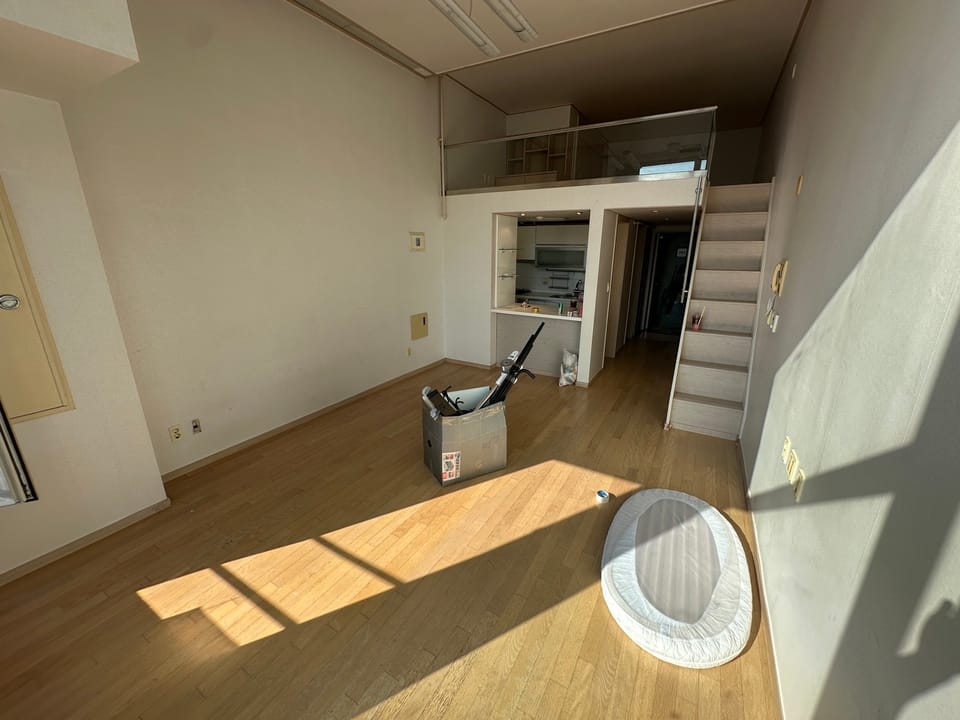
Hey cuz,
Leaving a place is already a lot.
Boxes half-packed.
The fridge humming a little louder than usual.
That quiet moment you look around and think, okay, we’re really done here.
And then the deposit doesn’t come back.
Not right away.
Not as cleanly as you expected.
This is usually where panic kicks in, especially if you’re not from here.
Your money feels stuck.
Your leverage feels like it’s slipping.
And suddenly every message from the landlord sounds heavier than it should.
This letter is about how to stand steady so the deposit comes back without your life spinning around it.
Let me slow this down for you.
How deposit returns stay boring
The easiest deposit disputes are the ones that never form.
That starts before you pack your bags.
One quiet but powerful move is this:
keep the unit ready for the next tenant.
Just clean, tidy, and viewable.
In the field, the next tenant’s deposit is what funds your refund.
So, you’re not just being polite.
You’re reducing friction in the exact place delays are born.
A few other things matter too:
- Pay rent on time, every time
- Report damage early, not at move-out
- Don’t surprise anyone on the last day
And when you give notice, give it with cushion.
Legally, the vacate notice window runs from 6 month to 2 months before the lease expires.
The minimum is 60 days.
But 3 to 6 months’ notice gives everyone time to prepare for a clean refund.
Time isn’t generosity here.
It’s pressure relief.
Finally, sync your move-out with the deposit return.
This doesn’t mean holding the place hostage.
It means closing responsibilities simultaneously.
Keys don’t need to fly the moment the last box leaves.
Fridges don’t need to be empty before the money lands.
You’re not being difficult.
You’re staying aligned.
Most of the time, that’s enough.
But when it isn’t--
when stalling begins or partial excuses appear--
what matters next isn’t emotion.
It’s posture.
Why landlords mess up
Most deposits in Korea do come back without drama.
It’s rare for a landlord to completely disappear with your deposit.
That would be intentional fraud.
In wolse, it’s almost unheard of.
Most landlords aren’t going to risk a ₩300 million property--and potential criminal charges--to hold onto a ₩10 million deposit.
What happens far more often looks like this:
Delay, not denial.
Stalling, not stealing.
Partial withholding, not refusal.
And almost always, the reasons are boring..
In jeonse, deposits are often tied directly to property financing.
If the next tenant’s deposit comes in lower or later, the gap has to be bridged.
In wolse cases, the numbers are smaller but the psychology is similar.
Landlords expect the next tenant's deposit to refill the account.
Sometimes that timing doesn't work smoothly.
Other times, it’s personal finance.
A business went sideways.
Investments didn’t pan out.
Life happened faster than liquidity.
And then there’s partial withholding.
Wallpaper damage.
Floor scratches.
Unreported issues.
Pet or smoking violations.
Most of these situations settle through negotiation.
Very few begin as criminal intent.
And here’s the thing--this rarely surprises you.
You usually see it coming
Almost always, the pressure starts before move-out.
When a landlord is under cash pressure, you’ll often hear from them first during the vacate notice window.
"Are you staying?"
To a landlord,
a staying tenant means stability.
A leaving tenant means a lump sum has to appear.
Once termination becomes real, the math begins.
If they can perform on time, communication stays clear.
If they’re unsure, they may start sounding out your flexibility.
Pressure doesn’t suddenly arrive.
It surfaces.
Fear sabotages tenants
Leverage at lease end is rarely equal.
The tenant usually has somewhere to go.
A move scheduled.
A job, visa, flights tied to timing.
It has to work.
The landlord, on the other hand, has more elasticity.
The unit can be emptied a bit later.
It's just not ideal.
That asymmetry is what creates fear for tenants.
So when the deposit doesn’t arrive on time or when landlord is not reachable by the lease end,--
the instinct is to push.
More messages.
Long explanations.
Trying to sound reasonable, then firmer, then frustrated.
That usually makes things worse.
Because you start absorbing the pressure.
Deposit disputes in Korea are rarely about rightness.
They’re about pressure distribution.
Fewer words, at the right timing, are often more effective.
Calm.
Precise.
Timed correctly.
The moment your leverage peaks
Your leverage is strongest right after the lease ends, not before.
Not when your landlord reaches out and asks if you could wait.
But when the contract expires and the contrast becomes clear:
You can perform your promise.
The landlord seems not able to perform theirs.
Most tenants feel the opposite.
They assume that once the lease is up, their position weakens.
So they rush.
They press.
It escalates.
Worse, they vacate and hand over the keys first, hoping goodwill will carry the rest.
But emotion doesn’t move stalled money.
Sequence does.
And once you understand that, your posture changes.
You stop trying to convince.
You stop over-explaining.
You stop negotiating emotionally.
You dissipate.
Pressure doesn’t disappear.
It simply shifts away from you and onto the system.
In Korea, there is one step that landlords understand immediately.
The measure that corrects that leverage imbalance.
That step is called 임차권등기명령--a court-registered leasehold order.
The step that changes everything
임차권등기명령 isn’t just a legal tool.
It’s a psychological shift.
Up until this point, most tenants are carrying all the weight.
Waiting.
Following up.
Wondering if they’re being too pushy or not pushy enough.
This step flips that.
Once your lease ends and the deposit isn’t returned, you can file for this court registration--even online.
If your lease is protected under the Housing Lease Protection Act and you’ve registered your address, you have this right.
In plain terms, this means:
- Registers your deposit claim onto the property title
- Complicates renting, selling, or refinancing
- Makes the issue visible to banks, brokers, future renters
- Preserves your claim even after you move out
This isn’t a lawsuit.
No courtroom drama.
It’s administrative.
And that’s exactly why it works.
For most landlords, especially in wolse, this is the end of the story.
They suddenly have urgency not only from you, but from everywhere else.
The mark doesn’t shout.
It just sits there.
Quiet.
Persistent.
Inconvenient.
Until payment is made.
That’s dissipative posture.
You’re not attacking.
You’re letting structure do its job.
Timing matters more than tone
There’s one thing to be careful about.
This step works because of timing, not attitude.
You file it after the lease ends
and before you fully surrender possession.
On your last day,
you can move your things out.
You can stop living there.
But don’t rush to erase your presence before your rights are secured.
Leaving a few items behind.
Holding the key briefly.
Staying reachable.
And sending the landlord a clear, calm message that you intend to file the court order if payment is not completed by a specific date.
This isn’t being clever.
It’s preventing a false claim that you “abandoned” the unit.
If the deposit is returned, you remove the last items and return the key.
Clean.
If not, you file first, check the registration appears in the system (within 1 to 2 weeks), and then fully vacate the unit.
If not, you file first. Once the registration appears in the system (within 1 to 2 weeks), you fully vacate.
Paying prorated rent for the short extension strengthens your position.
Court fees are generally recoverable.
When even that doesn’t work
Sometimes, rarely, the money still doesn’t arrive.
At that point, it’s procedural.
Payment orders.
Formal lawsuits.
Account freezes.
Enforcement.
Slow.
Methodical.
Effective.
Most landlords resolve matters before reaching this stage because the cost keeps rising.
You don’t need to rush.
The law isn’t going anywhere.
Neither is your claim.
What not to do along the way
A few quiet mistakes to avoid:
- Don’t accept partial payments with conditions attached
- Don’t trade silence for “patience” without a timeline
- Don’t return keys early out of discomfort
- Don’t argue about fairness when sequence is what matters
You’re not here to win an argument.
You’re here to close a chapter.
The bigger, calmer picture
Most deposit disasters aren’t decided at exit.
They’re decided much earlier.
At signing.
At inspection.
At the first ignored maintenance issue.
At the moment you felt uneasy but moved forward anyway.
If you’re reading this as precaution, the earlier letters walk through those steps.
Clarity is your best protection.
If this is happening to you right now, breathe.
You’re not powerless.
And you’re not alone in this system.
Stand steady in sequence.
Let pressure redistribute.
Move on cleanly.
That’s how deposits come back--not loudly, but with minimal damage.
I hope this letter helps you breathe a little easier.
And ya--
That’s what cousins are for.
--JK